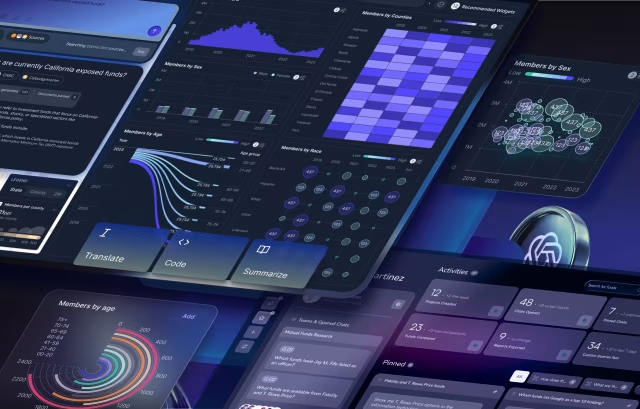
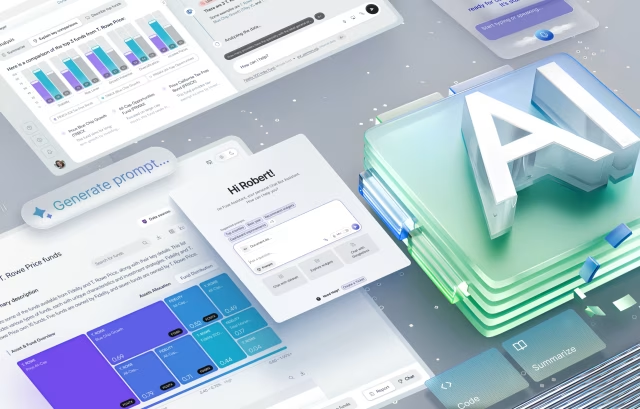
AI-based chat user interface design is evolving every day, as more organizations take advantage of this dynamic tool. Chatbots have been around for a while but with very little success until now. However there are some very critical design and functional elements that need to be utilized in order to gain the confidence of your user base.
AI User Experience Design Services
With a live conversation, it’s important to attempt to focus on clarity and immediacy in responses. Also, users need to know when the AI is thinking with visual indicators, otherwise they will often abandon the conversation and assume that the interface chat functionality is simply not working.
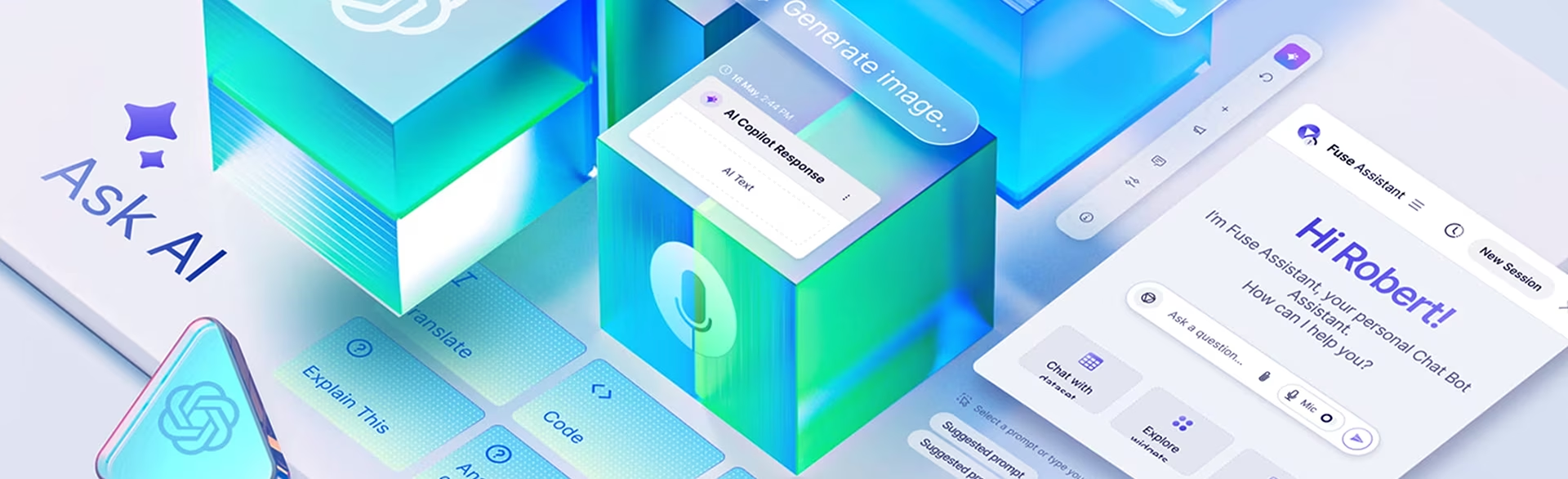
Keys to AI Chat Interface Design

Enhanced user engagement in AI chat user interfaces goes beyond simple back-and-forth exchanges to create meaningful interactions that keep users invested and productive. This involves inputs, pre-prompts, interactive elements that respond to user input patterns, and intelligent memory of previous conversations to build continuity. The system should adapt its responses based on the user’s level of expertise and engagement style, offering more detailed explanations when needed and the ability to upload files. This dynamic responsiveness helps maintain a sense of personalization while making interactions more efficient and valuable over time.
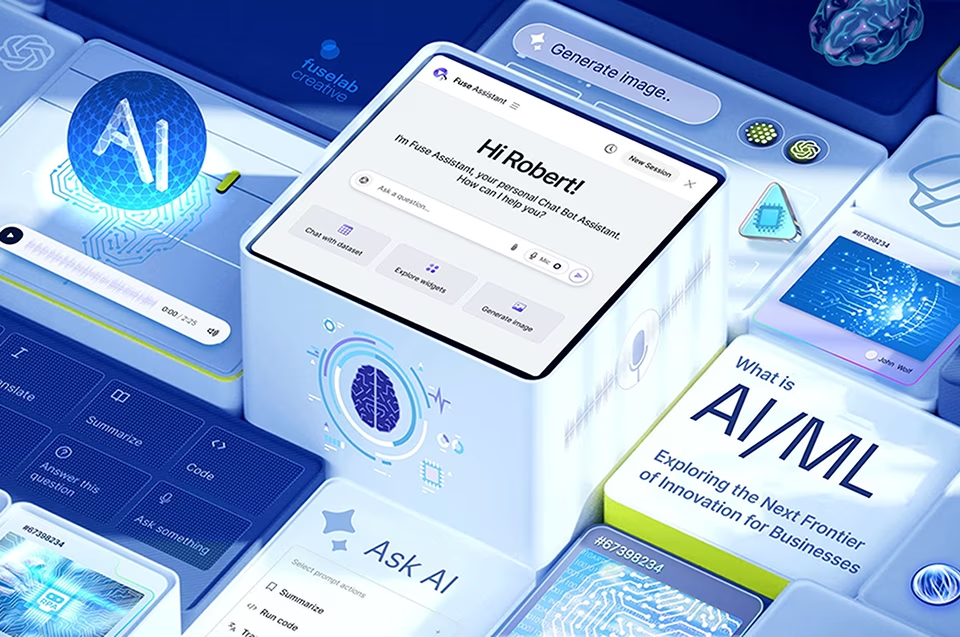

Streamlined communication removes friction points that could impede the natural flow of conversation between the user and a Chat AI interface, which is probably the most important goal of any AI chat system. This means implementing features like real-time message processing, predictive text suggestions, and smart autocomplete functions that help users express their thoughts more efficiently. Sophisticated systems need to react to the flow of the current view, allowing the user to navigate back and forth with ease. The interface should minimize the cognitive load, allowing users to focus on their actual goals rather than wrestling with how to phrase their requests.
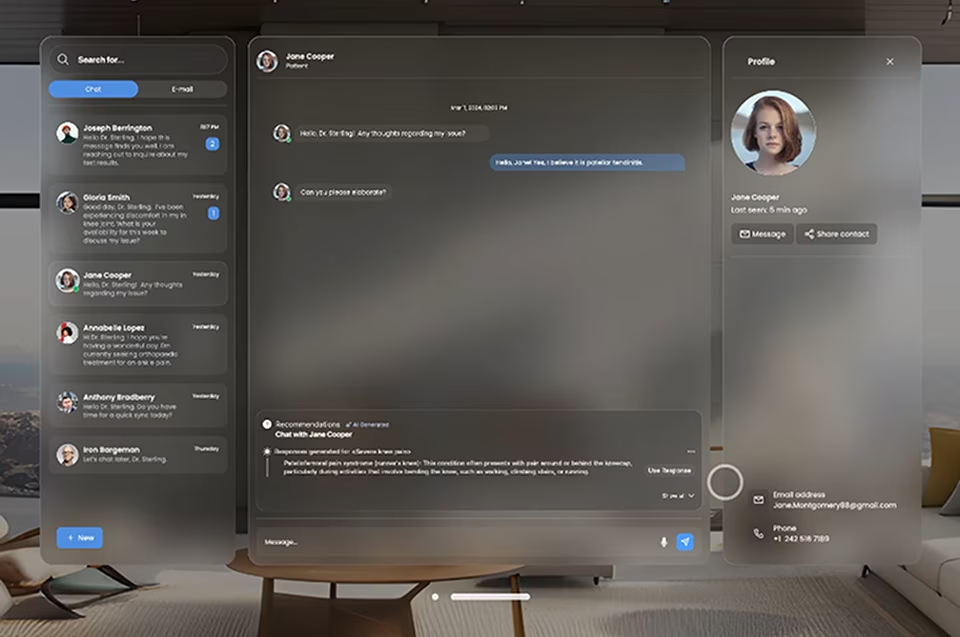

Personalized user experiences require sophisticated chat user interface design systems that can adapt to individual user preferences, communication styles, and specific needs over a certain period. This is not easy stuff, it involves building user profiles that track preferred terminology, common use cases, and interaction patterns. The system should remember user-specific context and preferences without requiring explicit configuration, creating a more natural and efficient experience that ultimately adds to overall trust building. This personalization extends to technical aspects like offering input cards, selectors, and other context-based visuals.

Future-proofing technology in AI chat interfaces means building systems that can evolve alongside advancing AI capabilities, such as pre-proposed questions based on page context without requiring complete redesigns. This involves creating modular interface components that can easily make room for new features and capabilities as they become available while maintaining a consistent core user experience. We know it’s easier said than done. The architecture should support easy updates to the chat interface UI and smooth transitions between different versions of the system. This also means designing with extensibility in mind, allowing for the addition of new input types, output formats, and interaction patterns as technology advances.

Seamless integration focuses on making AI chat design work naturally within users’ existing workflows and tool ecosystems, such as project management software or communication tools. This means providing robust APIs, and web-hook capabilities, filtering chatbot interface responses to include optional next steps, and creating integration points that allow the chat interface to connect with other applications and services. The system should support easy data exchange between platforms, allowing users to bring in content from other tools and export AI-generated content. This integration extends to supporting single sign-on systems and maintaining consistent user experiences across different platforms, devices, and unique work environments.
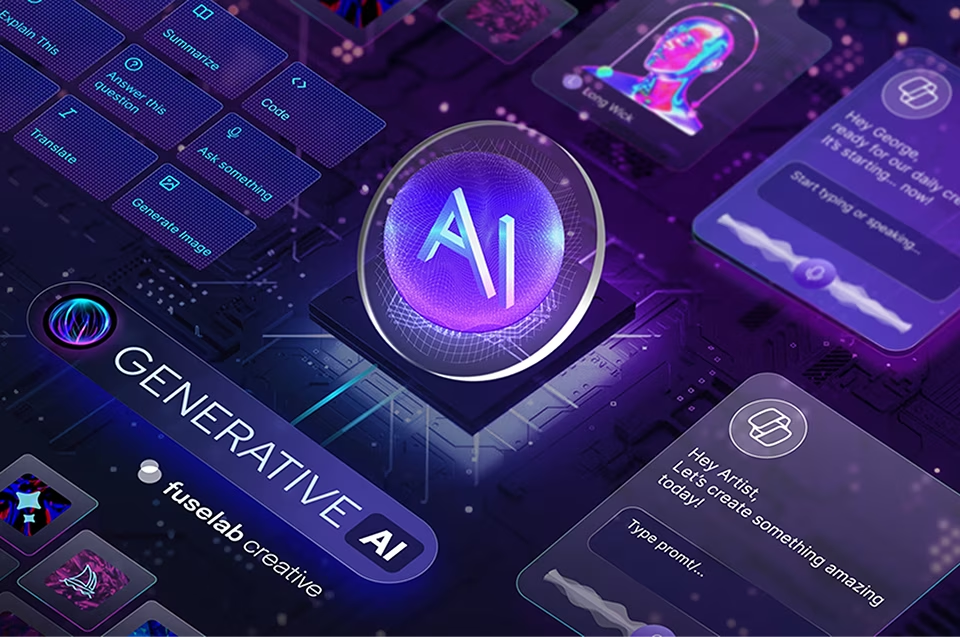
Parts of AI Chat Interface
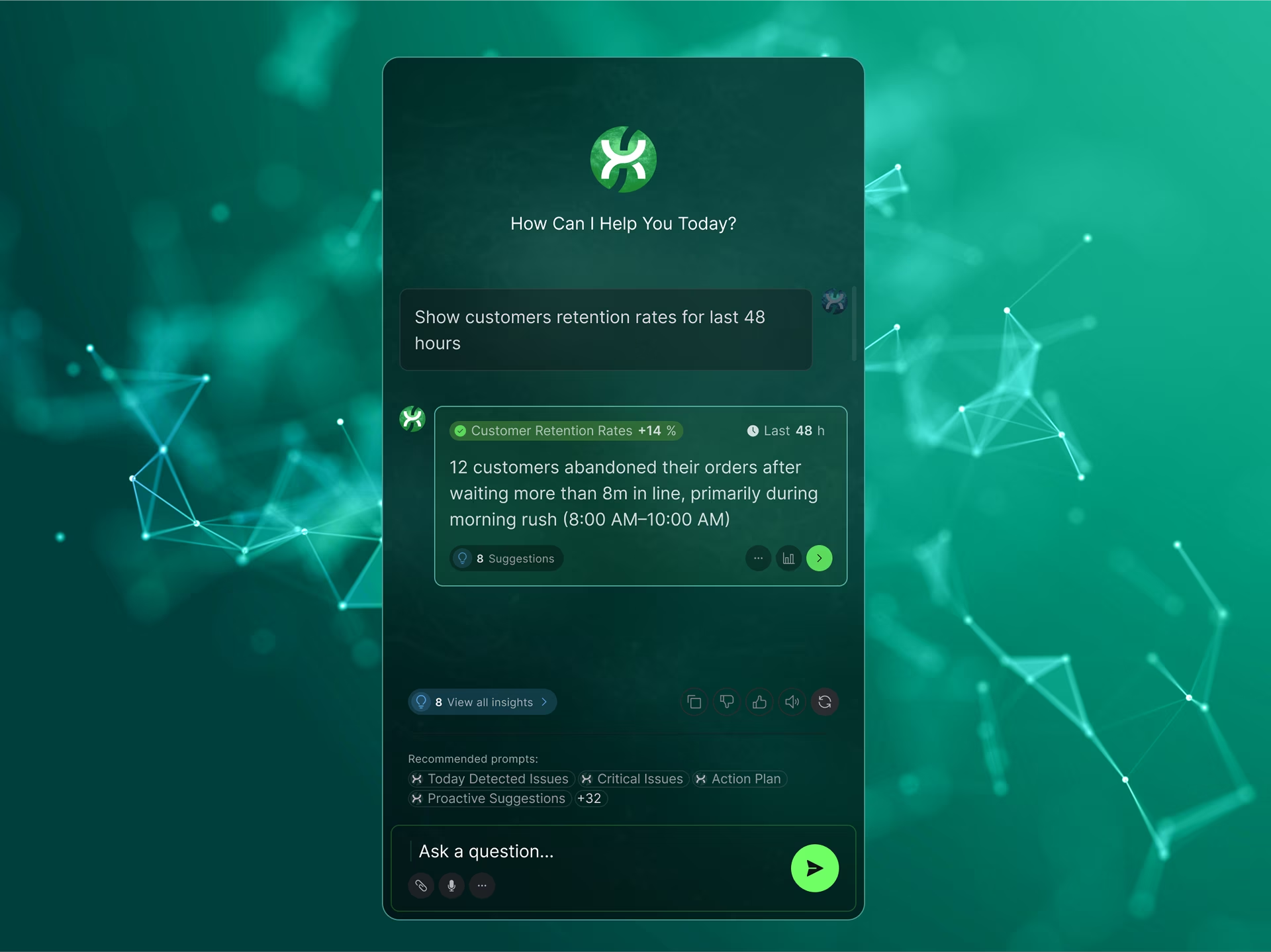
Chat Interface UI Examples
What often gets ignored, or overlooked is that AI chat is not just a conversational support system; instead, it is a functional tool for filtering, summarizing, explaining, and advising a user’s session to maximize the level of personalization at all times.
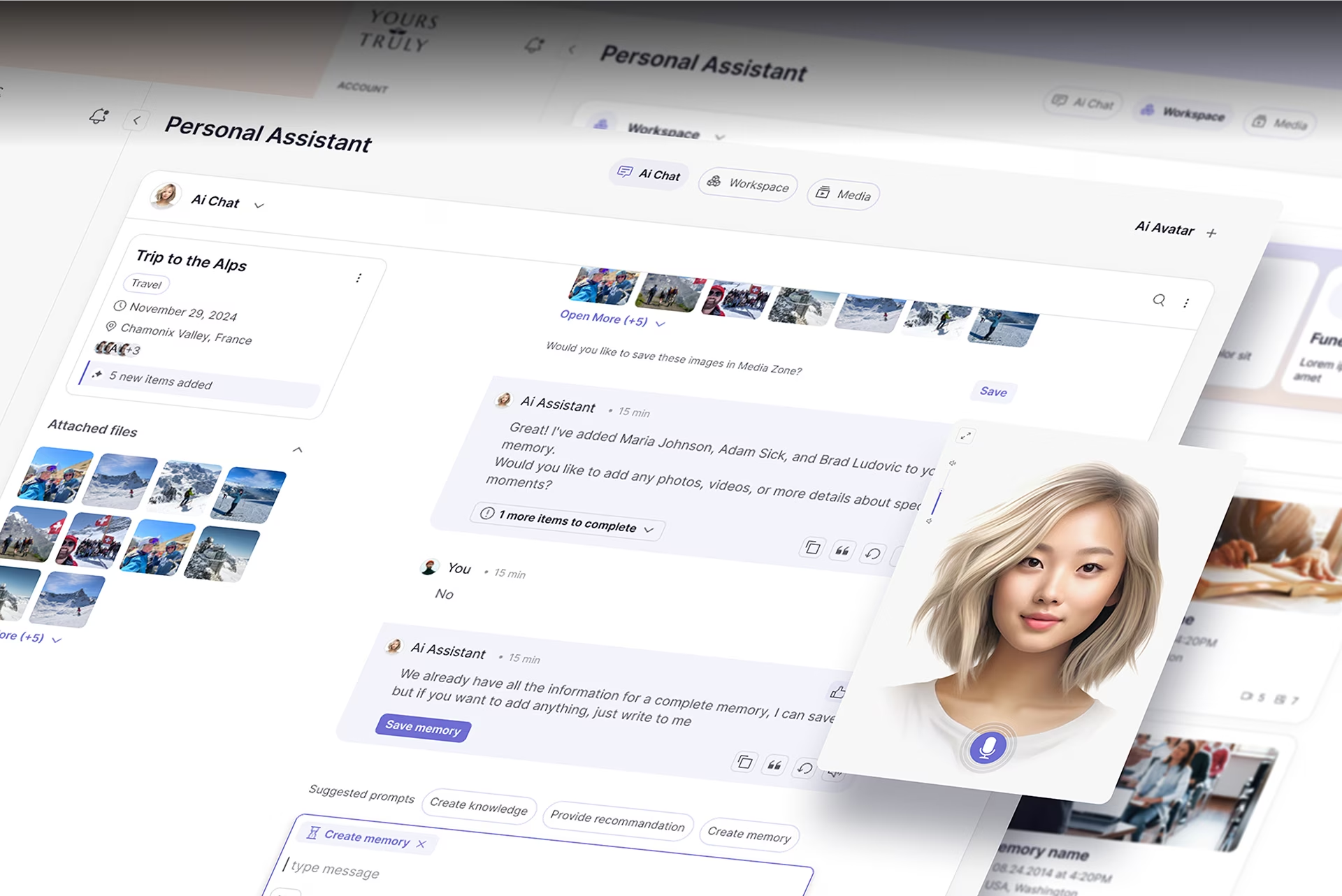
Yours Truly AI Chat
Creating a seamless system for Yours Truly focused on making our AI chat interface work naturally within users' existing workflows. This meant we needed to provide robust APIs, webhook capabilities, and integration points that allow the chat interface to connect with other applications and services.
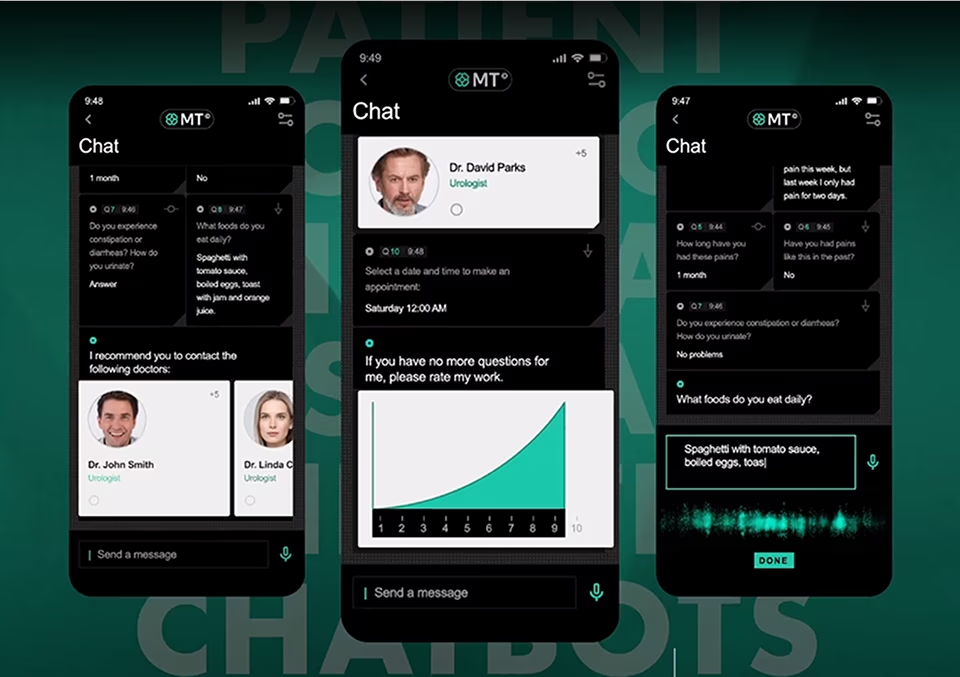
Chatbot AI Interface
Our focus for this chatbot interface design was to create an experience focused on maintaining clear conversational context at all times.
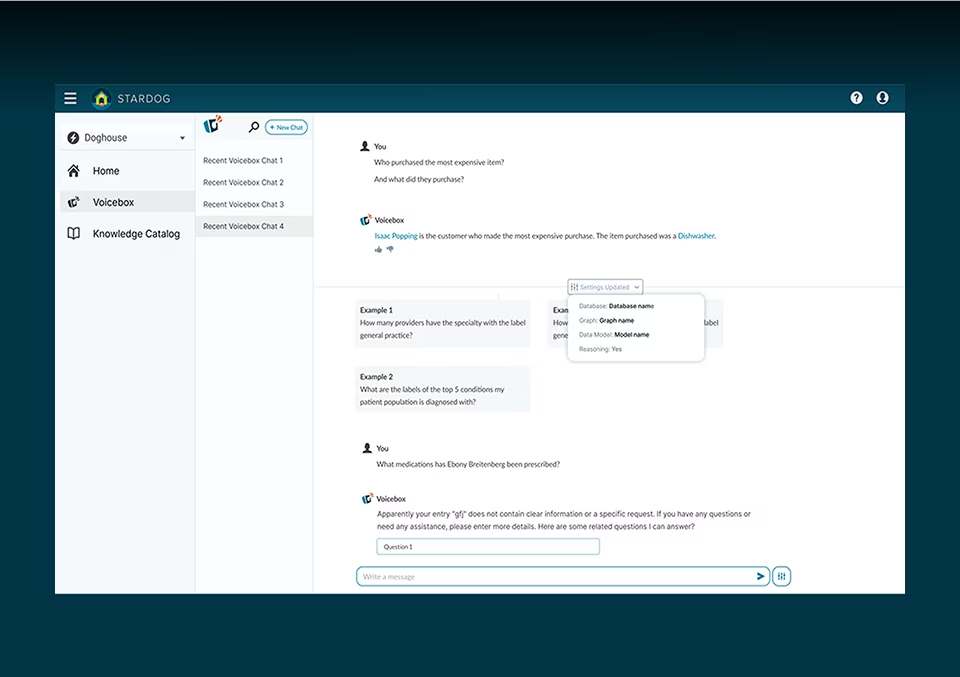
StarDog
Creating a solid command line interface for Stardog was the most important design factor for this extremely successful platform.
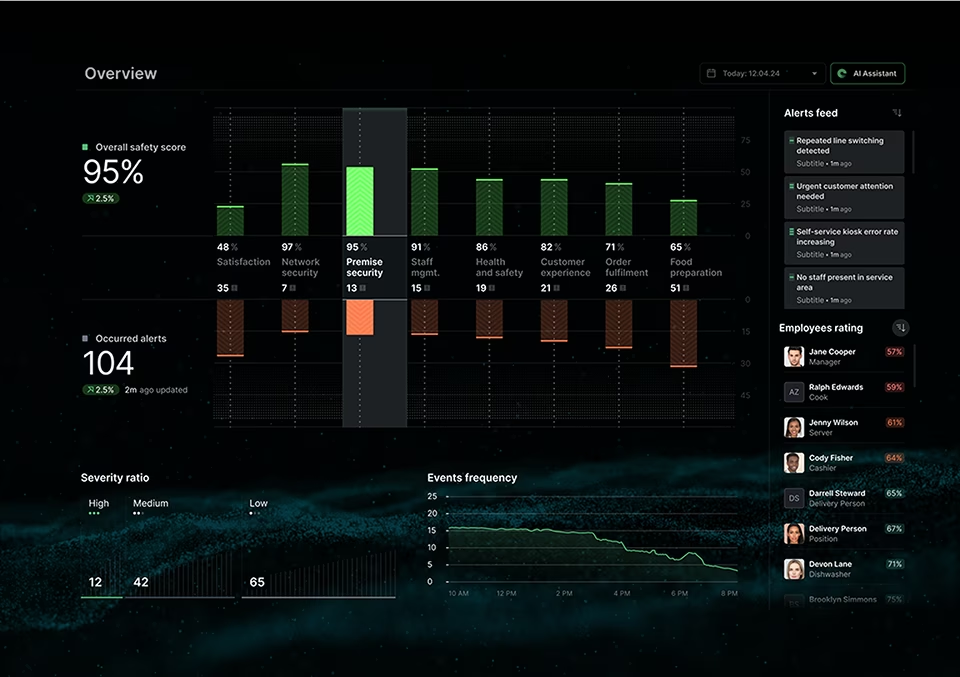
Cortex
With Cortex and all our AI-based systems we desire to deliver consistent and predictable options for users that are 100% intuitive.
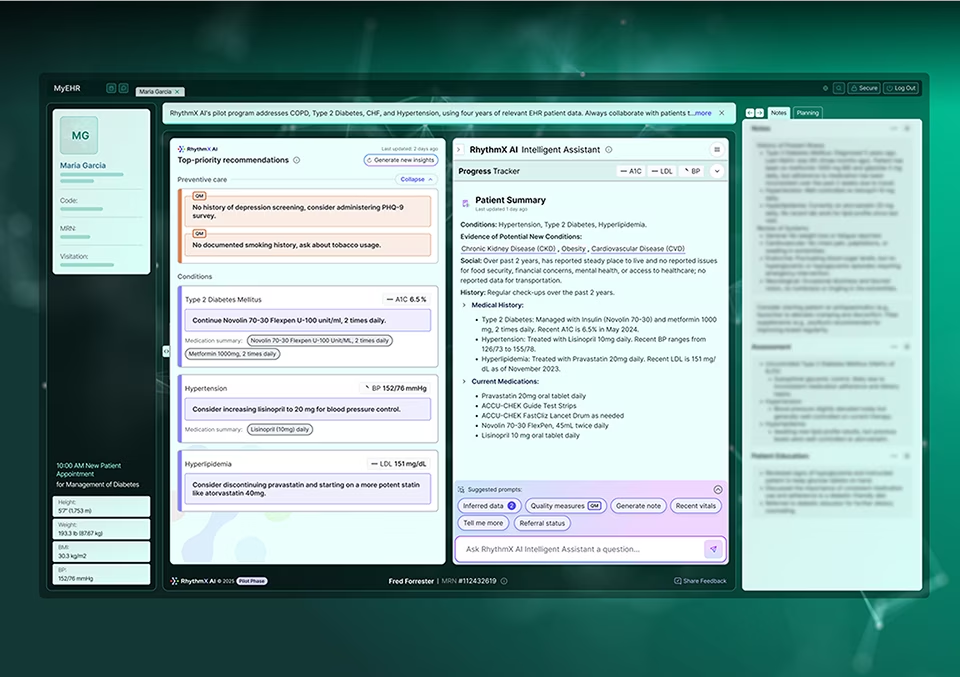
RhythmX AI
Building AI tools for the medical provider community, such as our work for RhythmX AI connects doctor’s with the world for better diagnosises.
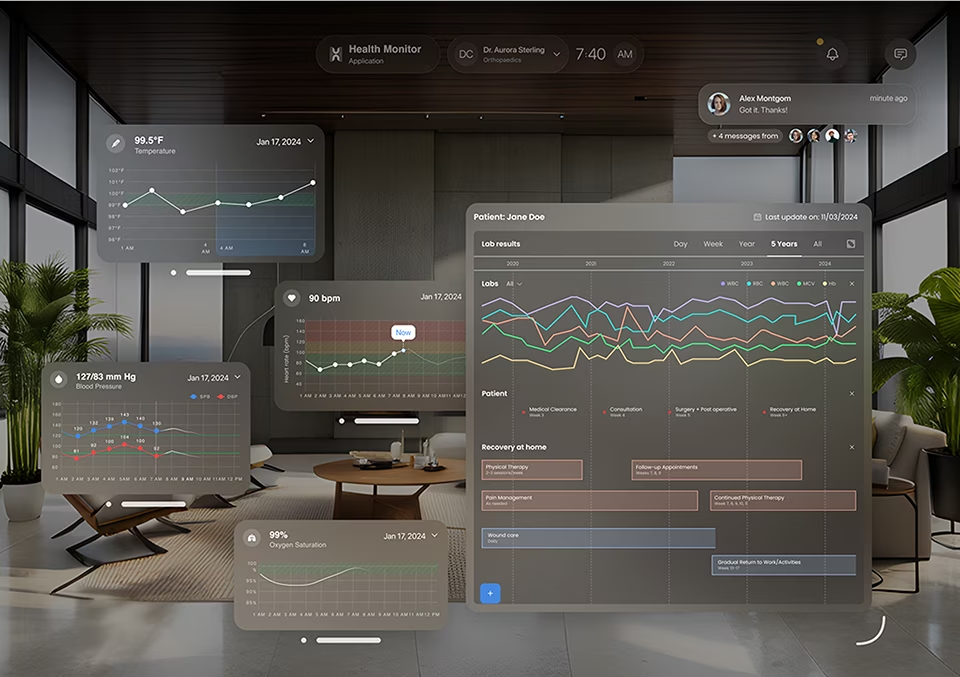
Health Monitor
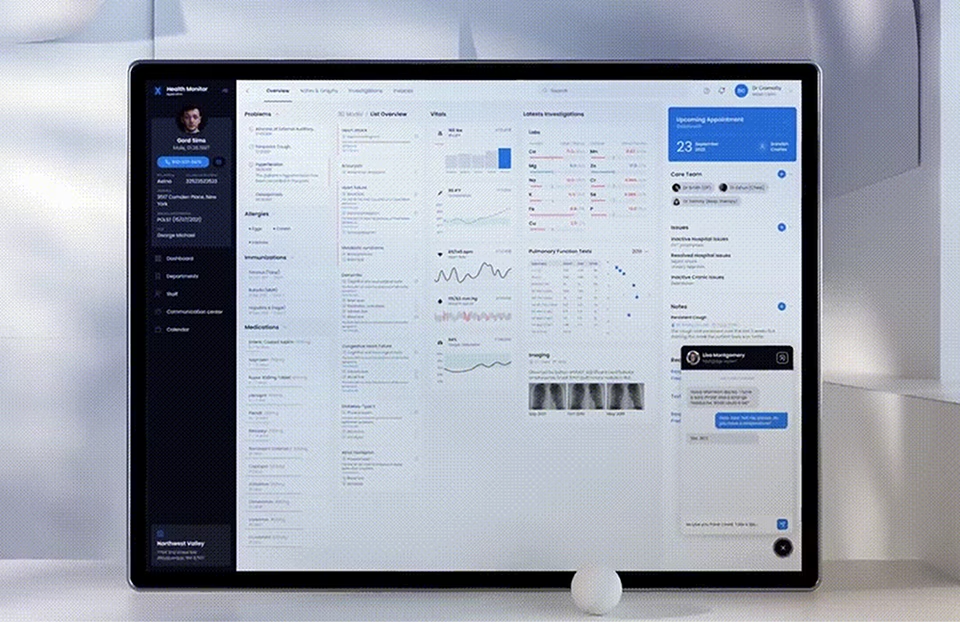
Our experimental Health Monitor design seeks to envision the future of medical records examination and usage.
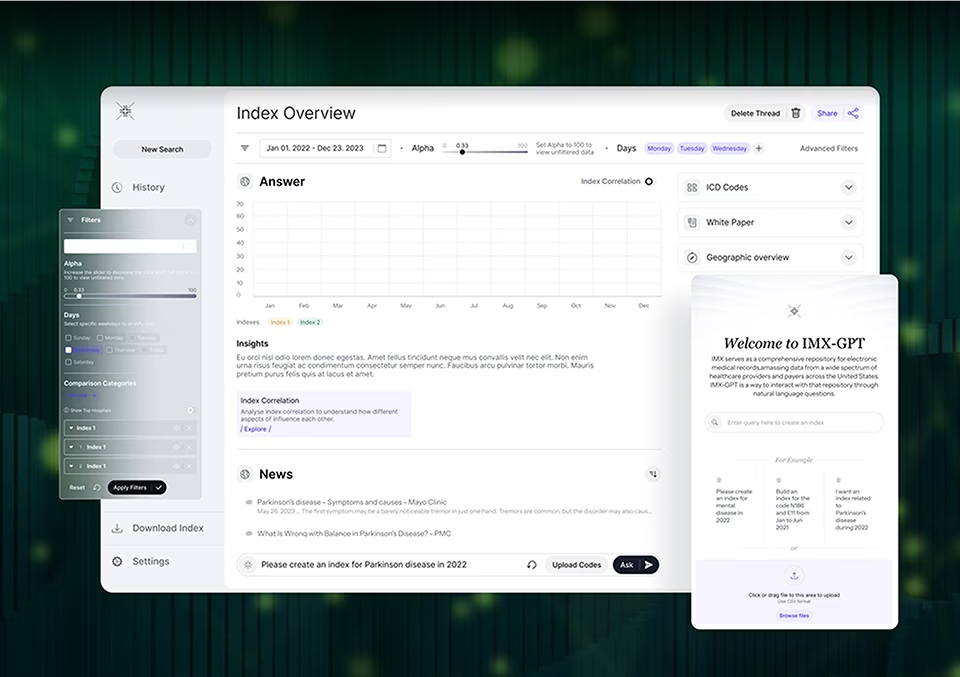
Perplexity
This focus on contextual clarity while minimizing cognitive overhead is essential when designing multi-dimensional data screens.
Contact Us
Connect with Our Dashboard Development Team

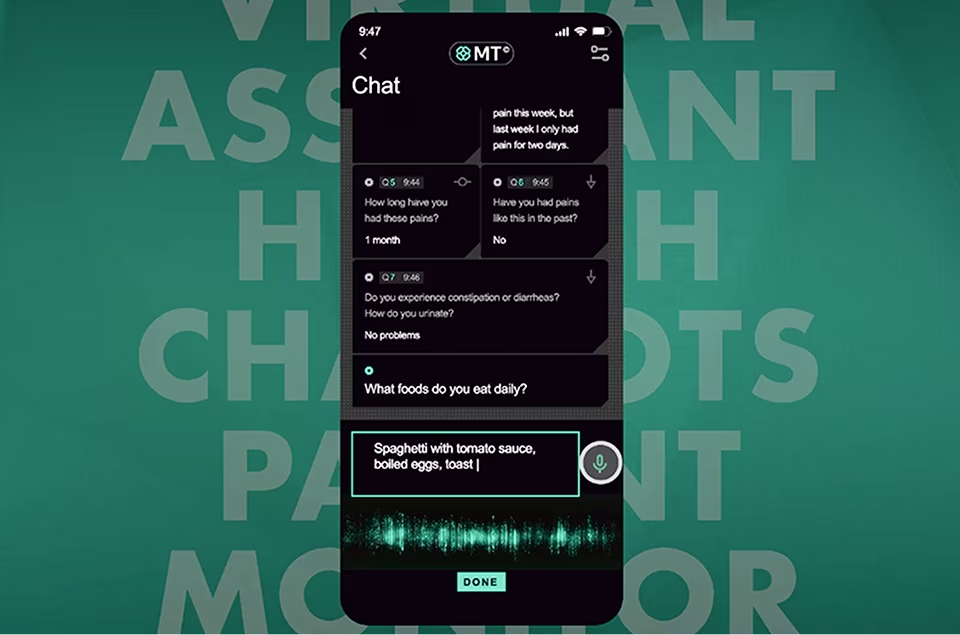
Healthcare organizations leverage AI chat interfaces to enhance patient care, streamline administrative tasks, and improve access to medical information. These interfaces serve as front-line communication tools for patient triage, appointment scheduling, and medication reminders, while also helping healthcare providers manage routine inquiries and documentation tasks more efficiently. For patients, AI chat interfaces provide 24/7 access to basic health information, symptom assessment, and appointment management, reducing the burden on medical staff while ensuring patients can get immediate responses to common questions.

We take a lot of pride in the work we have done for the the travel industry, plus is really, really fun! This industry significantly benefits from AI chat interfaces by providing personalized, 24/7 travel assistance that can handle everything from initial trip planning to real-time support during travels. Intuitively designed interfaces can process complex itineraries, compare flight and hotel options, offer destination-specific recommendations based on user preferences, and provide instant updates about travel disruptions or changes. They excel at handling multi-step travel queries that traditional search interfaces struggle with, such as finding specific combinations of flights.

Logistics staff use AI chat interfaces by streamlining complex operations and speeding up customer service with real-time communication. Our interfaces serve as intelligent dispatchers for truck, train, and air freight management, handling everything from shipment tracking and delivery updates to route optimization suggestions and automated scheduling. They enable carriers and logistics providers to manage high volumes of customer inquiries about shipment status, ETA updates, and delivery instructions while simultaneously supporting internal operations by assisting drivers with route planning.

AI chat interfaces have been transforming the real estate industry over the past five years by providing personalized, 24/7 property search assistance and streamlining the home buying and selling process. These interfaces serve as virtual real estate agents, helping clients filter through listings based on their personal criteria like price range, location, square footage, and amenities, while learning from user preferences to make increasingly relevant recommendations, avoiding the all-to-common frustration of viewing homes that are simply out of reach. Users can instantly find answers to common questions about properties, schedule viewings, provide virtual tours, explain mortgage terms, and offer real-time market insights. We really could write twenty pages on this topic, but we’ll stop here.

AI chat interface design is simply changing every day. As in any moving target this discipline follow a virtuous cycle of user interaction and model improvement. Well-designed chat interfaces serve as crucial data collection points, capturing real-world user interactions, preferences, and edge cases that help improve model training and performance. These interfaces also provide valuable insights into user behavior patterns, common failure modes, and areas where AI systems need enhancement, enabling more targeted model development and refinement. Additionally, thoughtful chat interface design helps make AI systems more accessible and useful to a broader range of users, which in turn generates more diverse training data and use cases, ultimately driving innovation in both model capabilities and human-AI interaction paradigms.

The E-commerce and Retail industries gain significant advantages from well-designed AI chat interfaces by creating personalized, 24/7 shopping experiences that combine customer service with sales functionality. These interfaces serve as virtual shopping assistants, that are becoming more human every day, and can now handle product inquiries, provide detailed recommendations based on browsing history and preferences, (no need to ask your best friend anymore!) process returns and exchanges, track orders in real-time, and even complete purchases directly within the chat. This streamlined approach reduces cart abandonment rates by addressing customer concerns immediately, while also gathering valuable data on customer behavior and preferences that can be used to optimize inventory management and marketing strategies.
Related Services and Solutions


AI UX/UI Design Blogs
Fuselab Creative Insights