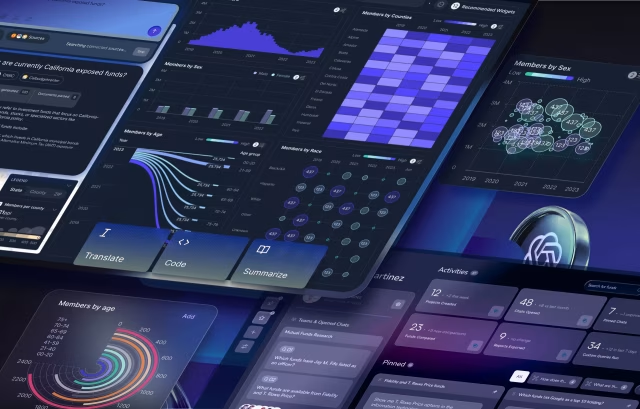
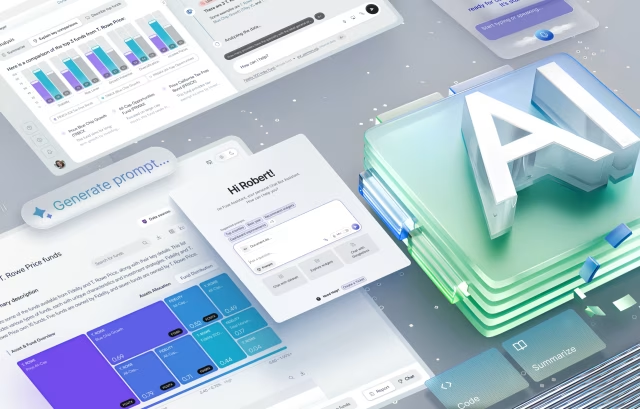
When it comes to AI in UI design, there are several important considerations and approaches that are transforming the field. We have found that when designing an AI workflow user interface the most effective are those that are integrated into existing design workflows rather than replacing them entirely. The type of design that seem made for AI are those that focus on rapid prototyping, generating variations, and automating repetitive tasks
A Critical Foundation Needed
To create a useful digital workflow improvement with UX/UI design every designer needs to begin with an expert-level discovery and research phase, which then forms the critical foundation of any successful workflow improvement project. Total immersion in your users' environment and closely observing their day-to-day interactions is just the beginning.

Types of Interactive Design

Command line interfaces offer power and efficiency but require careful interaction design user experience to balance their complexity. Submit buttons serve as visual triggers for completing actions and require careful design consideration. Where as voice command systems must account for the unique challenges of speech-based interaction. Natural language processing should be flexible enough to understand variations in phrasing, dialect, and speaking style, recognizing user intent even when exact command phrasing varies. Lastly, Keyboard shortcuts dramatically increase efficiency for power users but require thoughtful implementation. Mapping conventions should follow platform standards and industry norms where possible (Ctrl+S for save, Ctrl+Z for undo).

User interface design principles for interaction design that involves communicating with users includes everything from Chatbots and AI assistants to voice assistants such as Alexa, along with custom customer service chat systems. Regardless, whether the communications is taps, swipes, clicks, or voice commands—the engagement must feel natural and consistent across a system, creating a grammar of interaction that becomes second nature to users over time, and carrying with it a sense of obvious value and usability.

Successful command structures often integrate multiple input methods within a coherent system, such as drag and drop, swiping, and pinching to zoom. Consistency across command types ensures that the same action produces the same result regardless of how it’s triggered. Command mapping should maintain logical relationships between different input methods—a keyboard shortcut, voice command, and button click for the same action should use similar terminology and conceptual framing. Feedback mechanisms also play a significant role in maintaining consistency creating a unified interaction language that bridges the different command structures into a coherent whole.

Navigation sits at the center of any form of interaction design services. It’s part of the name, “action,” so it makes sense that what we are designing for is a kind of controlled movement. We may be creating a unique scrolling system or zooming in and out on a map, or even something as simple as utilizing breadcrumbs to find your way back to where you started. This form of design holds the cards to a successful experience for users, and can be the lynchpin to creating an program that users come back to every day and promote among their circle of influence, and one that sinks a great concept in the perpetual growing valley of great applications with bad design.

We’ve become quite used to receiving AI-driven recommendations based on our search history or activity on a platform such as Netflix or Spotify. The world of UI/UX IXD depends on continuous learning and recognizes that our design strategies exist within rapidly evolving technological, social, and competitive landscapes that require ongoing adaptation and growth. Successful designers maintain curiosity about emerging technologies, changing user behaviors, new methodologies, and cross-disciplinary insights that might enhance their practice.
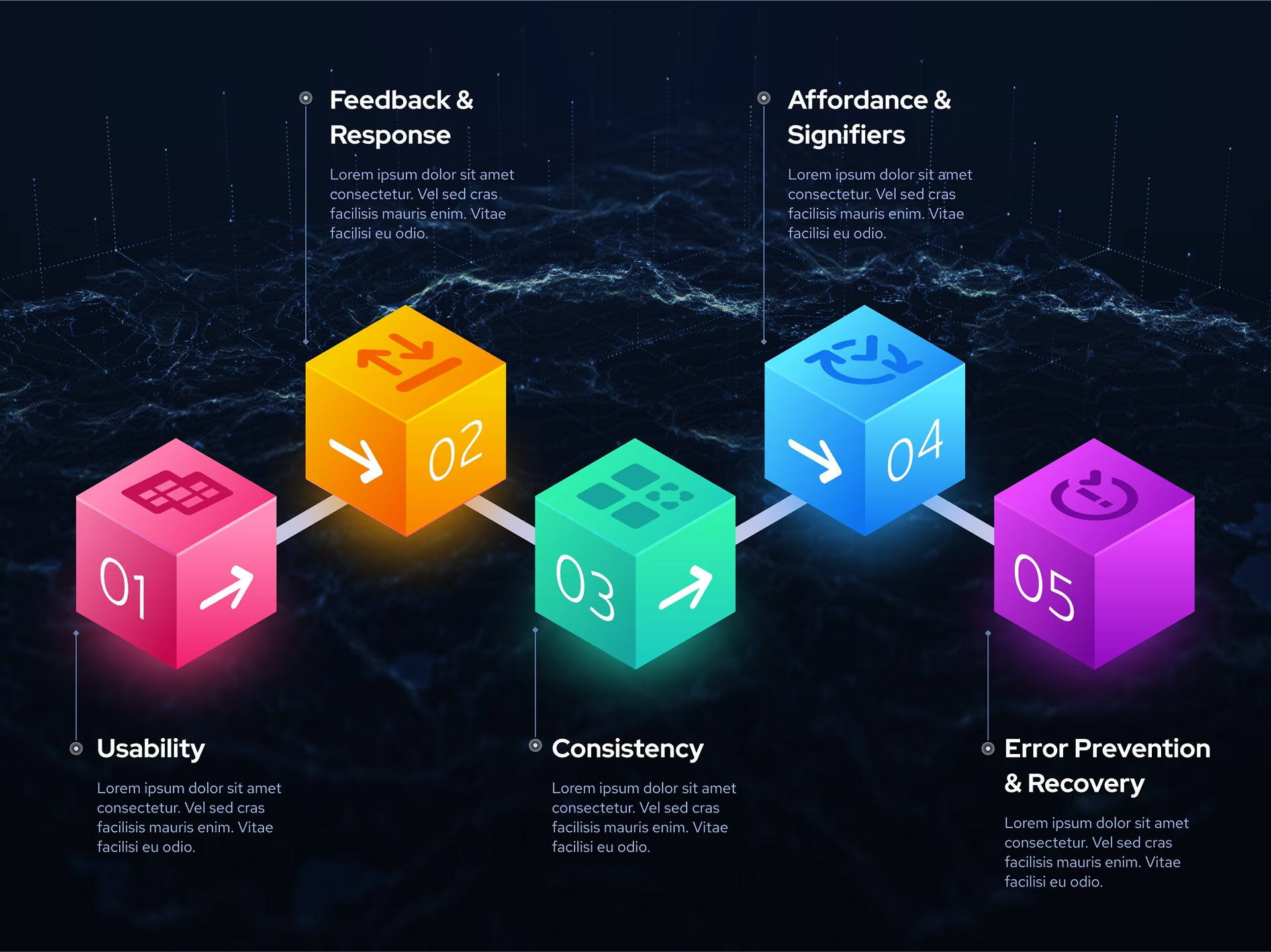
IXD Process Principles
Project Examples
Our digital interaction design samples below are just a small group of projects, as this is one of our primary services and if you are interested please visit our primary website to see an extensive case history of our work in this growing space.
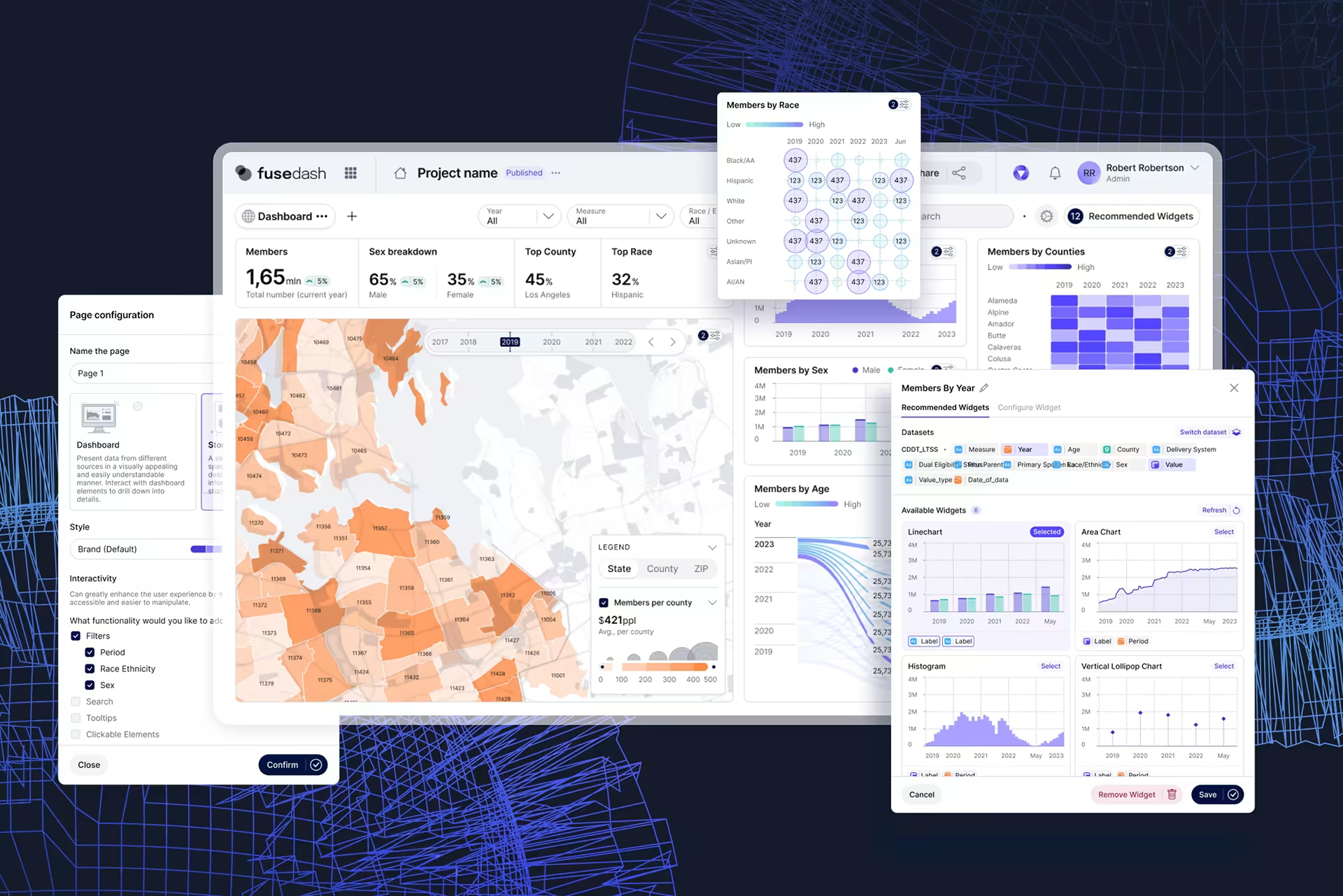
Fusedash AI - Data Visualization and Dashboard Builder
Our Fusedash platform provides a way for users to take full advantage of their data. We had to employ everything we have learned about human interaction design to create an immediately usable tool that has the capacity to deliver clear and actionable insights upon its first use.
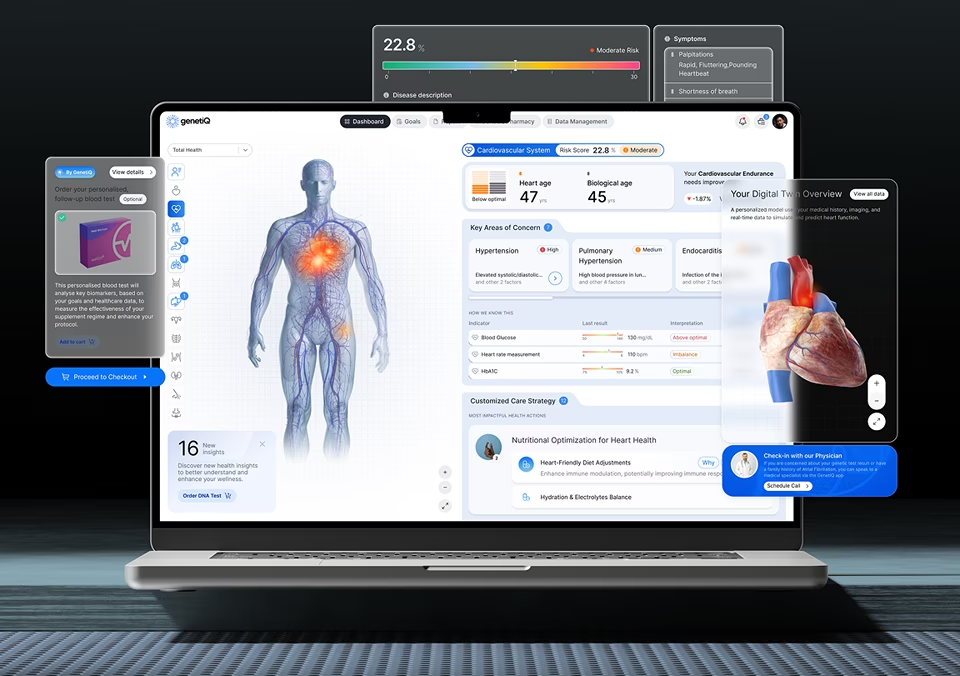
Genetiq Platform
Applications like Genetiq are using AI to transform the way in which the healthcare community thinks and provides care for the better.
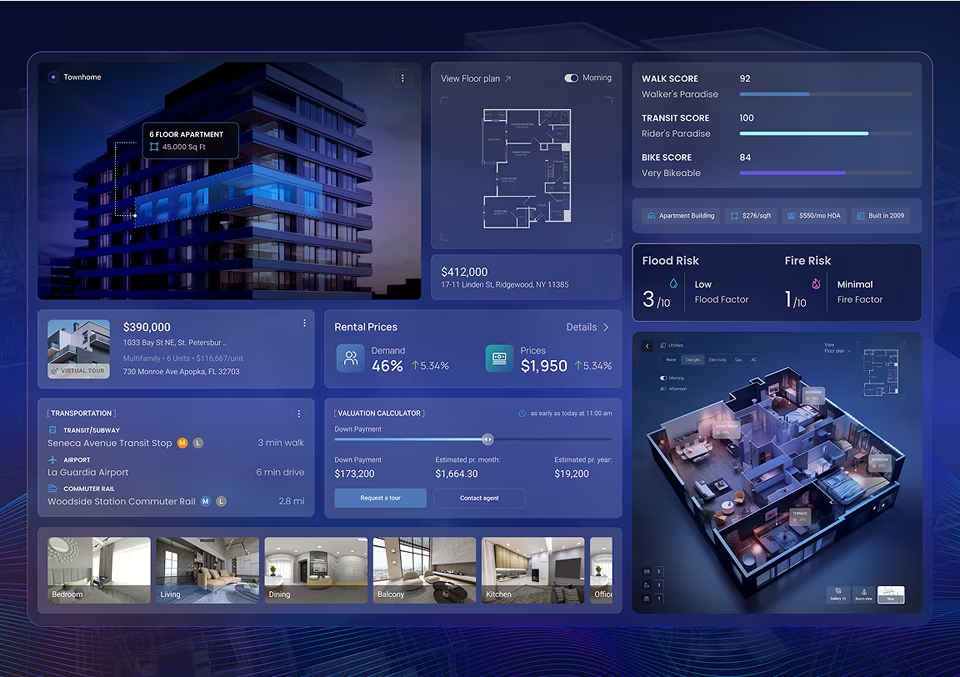
Real Estate
Building a successful real estate web application comes with a lot expectations. At the top of the list is user-friendly actionable functions.
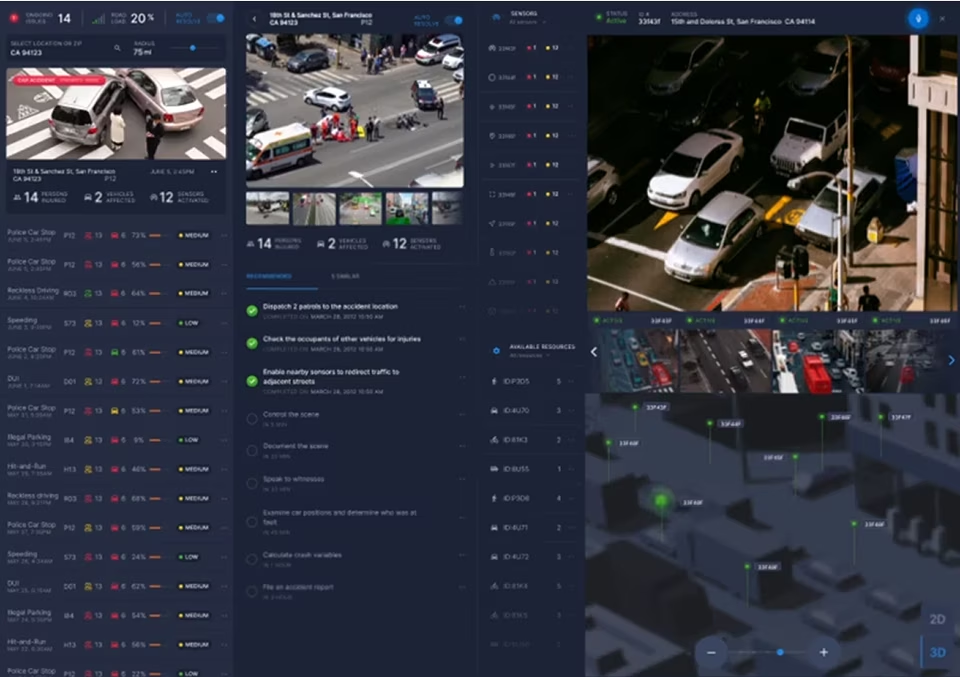
Effitrack
Effitrack is was a solid test of our designers ability to balance interaction design vs. UX. This is a delicate balance that requires a veteran team.
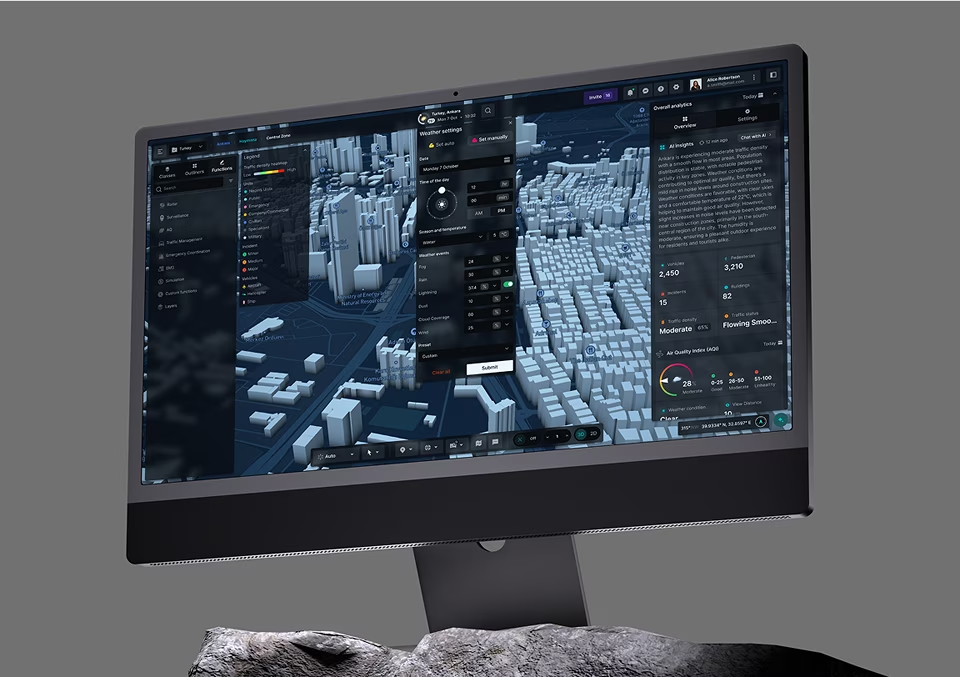
DMF
With millions of data inputs and the need to act quickly during critical times intuitive UX is what has mad DMF an powerful tool.
Related Services and Solutions


IxD Design Blogs
Fuselab Creative Insights