Maximize Engagement and Conversion
User Experience Research Firm
One of our our design specializations that our team is highly skilled in qualitative and quantitative investigative methods. Fuselab works hand-in-hand with clients to identify project objectives and goals that will act as a barometer for all future work and the process for gathering data and insights about users.
UX research trends

Application design requires defining clear objectives and choosing appropriate methodologies, whether qualitative methods like user interviews and user testing or quantitative approaches like surveys and analytics. Recruiting representative participants who match your target user demographics and use cases is crucial for gathering actionable insights that will actually inform design decisions. Our process emphasizes iterative testing throughout development rather than one-time studies, allowing our teams to validate assumptions early and refine the user experience based on real user behavior and feedback.


We utilize this type of software to enable our teams to conduct remote user testing and interviews, allowing designers to observe real user interactions with design prototypes and gather feedback from geographically diverse participants without the constraints of physical testing labs, or having to travel to remote client offices or workplaces. These tools provide powerful analytics and visualization capabilities that help us identify pain points, track user behavior patterns, and quantify usability metrics like task completion rates and time-on-task to make data-driven design decisions.
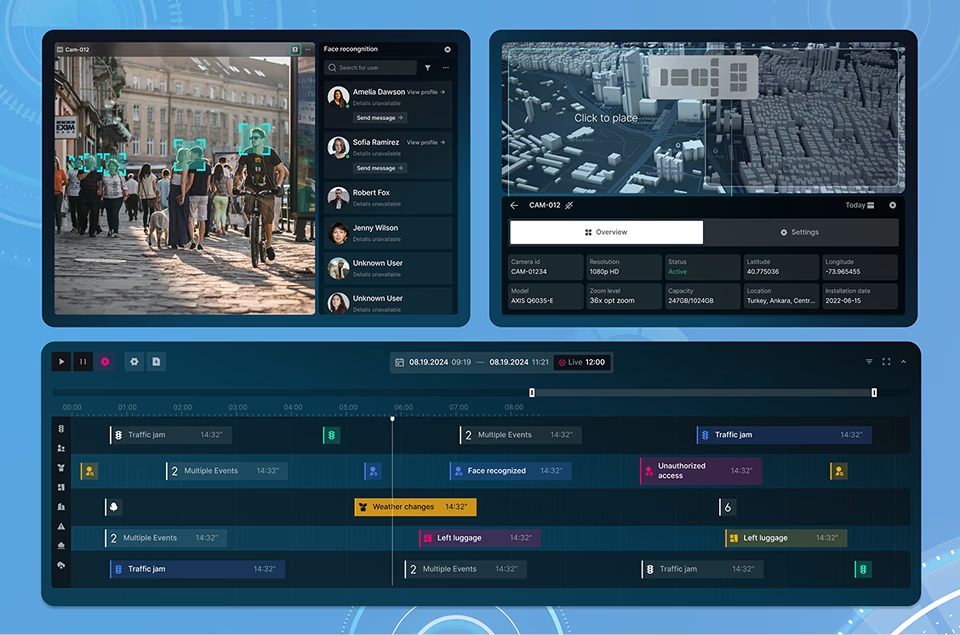

Mobile UX design must account for the unique context of mobile usage, including varying screen sizes, touch interactions, network conditions, and real-world environments where users multitask or face distractions while using apps. Our standard testing procedures encompass both in-app behavior and cross-device user journeys, and seeks to examine how mobile experiences integrate with other touch points, like battery life, loading times, and offline functionality that significantly impact mobile user satisfaction. We leverage mobile-specific methodologies such as diary studies to capture authentic usage patterns, mobile ethnography to understand contextual use cases, and device-based testing tools that can record touch gestures.
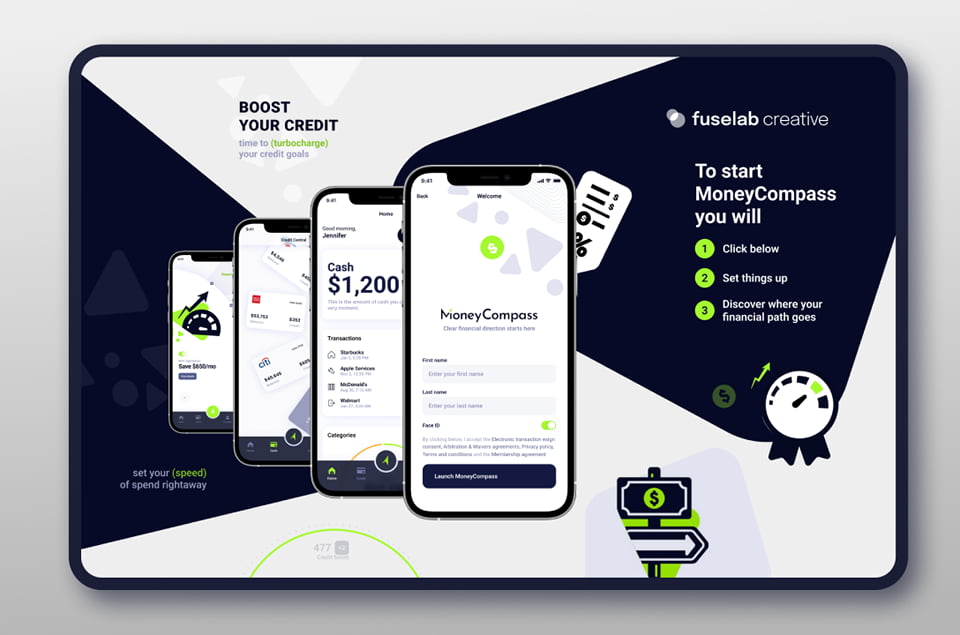

We begin by focusing on the customer journey from product discovery to post-purchase experience, examining critical conversion points like search functionality, product pages, checkout flow, and payment processes to identify friction that leads to cart abandonment or failed transactions. Testing must account for different user motivations and shopping behaviors, from quick repeat purchases to extensive product usability sessions, while evaluating trust signals, security perceptions, and mobile commerce optimization since many users switch between devices during their purchasing journey. Our analysis employs a mix of quantitative analytics to track conversion funnels and drop-off points alongside qualitative methods like task-based usability testing and post-purchase interviews.
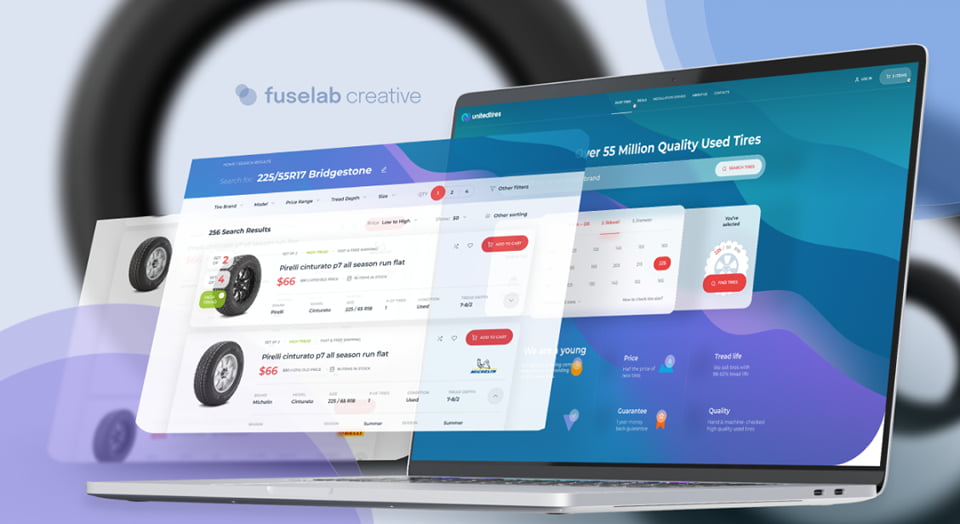

Here we prioritize trust, security, and regulatory compliance considerations, as users need to feel confident sharing sensitive financial information and completing high-stakes transactions like money transfers, loan applications, or investment decisions. The work must address the diverse financial literacy levels and varying comfort with digital finance tools among users, testing complex workflows like account setup, identity verification, and multi-factor authentication while ensuring accessibility for users across different age groups and technical abilities. Usually our studies examine both routine financial tasks and crisis scenarios. We’re hoping to understand how users behavior changes during market volatility, emergency funding needs, or fraud concerns, while validating that critical information like account balances, transaction history, and fee structuresUse.
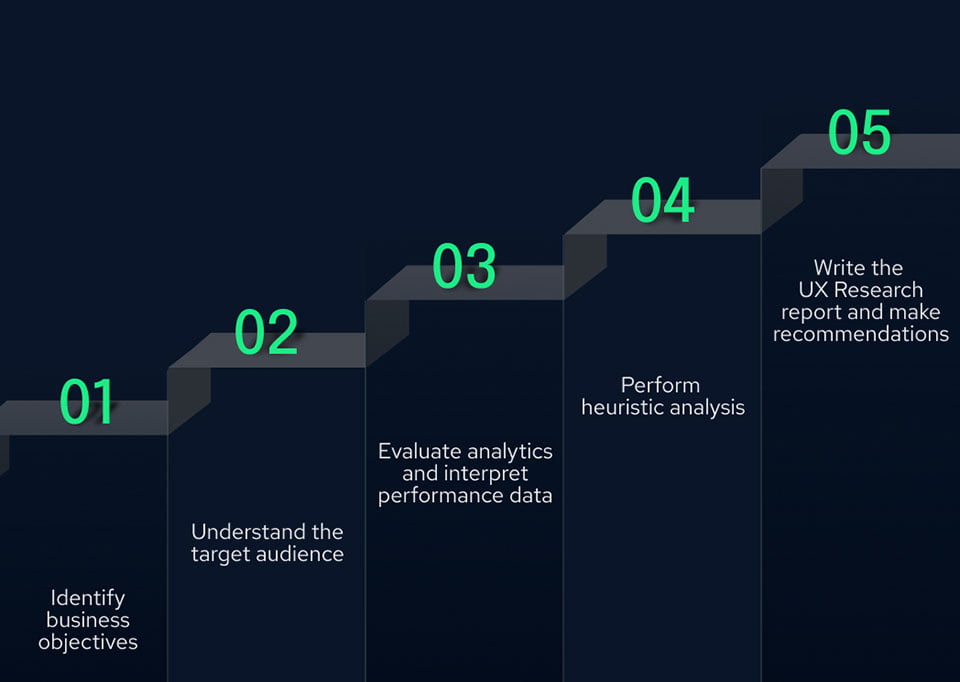
The 5 Steps for Success:
- UX work begins with thoroughly assessing areas where a digital product or online service may require improvements. We often will deploy a Lean UX approach depending on the client’s needs and timeline. More on this topic to come.
- Our process uses factual methods to enhance product usability and visual appeal, similar to a financial audit. It evaluates functionality at every stage, parsing out content and functional elements with the goal of delivering the most tightly knit application possible.
- These audits also verify the quality of designs, products, user experiences, and the overall brand strength of a company.
The Benefits of This Work: Unlocking the Value
At a minimum, nearly all initial UX reseach processes are focused on usability, accessibility, visual design, information architecture, content strategy, and user flows.
Some key technologies that can experience exponential benefits from conducting this work include:

1. Enhancing User Satisfaction
Our approach directly measures and identifies the factors that contribute to user satisfaction by gathering feedback through surveys, interviews, and usability testing to understand user behavior as they actually use the real product. By systematically analyzing user pain points, preferences, and emotional responses, our researchers at Fuselab provide actionable insights that guide our entire design team’s decisions, making sure we don’t fall in love with our work and instead we are genuinely meeting user needs.

2. Improving Usability and Accessibility
Through methods like task analysis, heuristic evaluations, and accessibility audits, our user experience-based investigations identify specific barriers that prevent users from completing their goals efficiently and inclusively. We are then able to uncover usability issues such as confusing navigation patterns, unclear labeling, or accessibility gaps that exclude users with disabilities, providing concrete recommendations for improvement.

3. Boosting Efficiency and Productivity
Once we have our initial data cumulated, it typically reveals workflow inefficiencies and friction points in user interactions through time-on-task measurements, we have a solid place to focus. We then move to building user journey maps, and conduct additional observational studies that highlight where users struggle or waste time. By identifying these bottlenecks and understanding the root causes behind them, we can recommend design optimizations that streamline processes and reduce cognitive load. These improvements directly translate to faster task completion, reduced user errors.

4. Foster Empathy and User-Centricity
Seeking to measure user empathy, our design process taps into user experience design research through a process of bringing real user voices, stories, and perspectives directly to development teams through personas, user interviews, and ethnographic studies that reveal the context behind user behaviors. This process delivers a shared understanding across teams about who users really are, what challenges they face, and what motivates their decisions, moving beyond demographic data to emotional and contextual insights.

5. Increasing User Engagement and Retention
Through user experience research techniques, such as behavioral analytics, A/B testing, and longitudinal studies, we are able to identify the specific features, content, and interaction patterns that keep users returning and actively engaged with a product over time. We are able to actually pinpoint the moments when users find value, discover friction points that cause abandonment, and understand the factors that build long-term loyalty and habit formation. These insights enable teams to optimize onboarding experiences, refine core features, and create engagement strategies.

6. Driving Business Success
To actually move the needle for a business we need to be able to provide measurable evidence of how user experience improvements directly impact key business metrics such as conversion rates, customer acquisition costs, and revenue per user through carefully designed studies and data analysis. By connecting user experience changes to business outcomes, our designers and analysts can demonstrate the ROI of design investments and help organizations prioritize features that deliver both user value and business results.
Get the Insights You Need to Make
Your Product a Success
Fuselab Creative specializes in using a variety of user experience research methodologies to understand user needs and improve the user experience. While we use a variety of methods, we most often use the following:

Unmoderated and Moderated Testing: How We Get the Most Useful Insights
At Fuselab Creative, we use a combination of unmoderated and moderated testing to get the best insights from our users. We believe that this approach gives us a more comprehensive understanding of user needs and helps us to create engaging and more user experiences..

UX Interviews: How We Get to the Heart of User Needs
In-depth UX interviews and heuristic testing are a valuable tools for understanding user needs and are part of the foundation of our all our initial design work. By taking a human-centered approach, we can get to the heart of user needs and create products that meet the needs of users while also delivering on business objectives.

Going Deeper with User Research: How UX Field Studies and Contextual Inquiry Can Make a Huge Difference
During a study session, we observe users as they interact with products and services in their natural environment. We take notes on their behavior, their interactions with the product or service, and their thoughts and feelings. We also ask users questions to get their real-time feedback on the product or service.

UX Prototype Testing: How We Validate Our Ideas
Spending the time to create real-world clickable prototypes and utilizing AI tools allows us to quickly validate ideas and get feedback from users early in the design process. By testing concepts with users at this stage, we save time and money by avoiding costly mistakes later on.

UX Surveys and Customer Feedback: How We Get the Inside Scoop
UX surveys and customer feedback help us get feedback from users on your application and/or services throughout various stages of our work. This feedback can be invaluable in understanding what users like and dislike and why, and it can also help us improve your product before it is released.

UX Card Sorting and Tree Testing: How We Understand User Mental Models
At Fuselab Creative, we use a combination of card sorting and tree testing to understand user mental models. Card sorting is a method where users are given a set of cards with different labels and asked to sort them into groups. Tree testing is a method where users are given a list of tasks and asked to find the correct page to complete the task.
Our User Experience
Process and Steps
The key stages of UX services are outlined below. Each phase acts as a building block toward creating a specific roadmap that will address each persona's need we have discovered and deliver the a digital experience that will resonate with each user's goals and needs.

At Fuselab Creative, we start by thoroughly understanding our client’s business and product objectives, intended audience, and the particular difficulties they encounter with their product’s current user experience. This requires we put aside any assumptions and listen intently to our client’s and their customers.

Our methods involve collecting and reviewing any existing data and documentation related to the client’s product, including user analytics, design assets, and user feedback. Comparing data over time and user behaviors over time can be a terrific window inside the reality of what is needed to improve the experience and deliver tangible results through design changes.

Our evaluation process involves creating an framework that combines industry best practices, usability principles, and client requirements. Making sure that the same principles are repeated in the same way helps to gather usable insights that are actionable. More often than not, users often will repeat the same frustrating actions expecting a different result. Understanding this and addressing user frustrations is paramount in this work.

Fuselab Creative’s UX experts conduct investigation services of all of our client’s products by evaluating their usability, accessibility, visual design, information architecture, interaction patterns, and other many relevant factors depending on the type of product or service we are examining.

We use recognized usability principles like Nielsen’s 10 Usability Heuristics to evaluate products. This process involves not just observations, but in-person observations to gather the intangibles along with obvious viewable ones. This also helps us immediately identify any potential usability issues and inconsistencies and develop a UX strategy that delivers the most enjoyable and intuitive digital experience possible.

As a user experience agency, our analysis attempts to identify recurring patterns, common drop off issues, and user behavior trends. This helps us create recommendations that focus on high-impact areas first, and then look at some of the common circular issues that cause frustrations and abandonment of the platform all together.

After evaluating the product’s data, we produce a detailed report with practical recommendations that address the UX issues found and guidance as to how and what is needed to successfully create verifiable improvements. Creating clickable prototypes to test our recommendations along the way is a critical and nimble tactic in this process.

When we present our findings, we always include proposed solutions and proposed designs changes, which set the tone for our initial collaborative discussion meant to ensure mutual understanding. During presentations, it’s easy to get caught up in the colors and design elements, but what is more important is to focus on the effortless and intuitive user flow we are hoping to create.

Fuselab helps enterprise UX clients as well as government and non-profits with the implementation of our recommended changes every step of the way. This includes development staff, both internal or client side. Dev staff need to sign-off on designs early on, and to come to a general agreement of the tech stack we will be using. There’s nothing worse than getting a group of design files approved and ready for code, and come to find out we need to go back and make changes.

Once the recommended changes have been implemented, Fuselab staff will always want to perform regular follow-up evaluations to gauge how are updates have performed against our expectations. Now more than ever, we understand that digital design is an evolving service, and that what works now may be outdated in six months. This kind of work is a continuous process and this needs to be understood by stakeholders on both side of the table.
Our Portfolio Examples
The future, the present, and the past.




Industries We Love
to Work With

Being a user interface design consulting firm implies we understand all of the facets of interface design. This is true, but no interface design will test a design firm more than logistics, as all of the data is practically endless and almost all of it needs to be communicated in a quickly digestible format and in real-time.

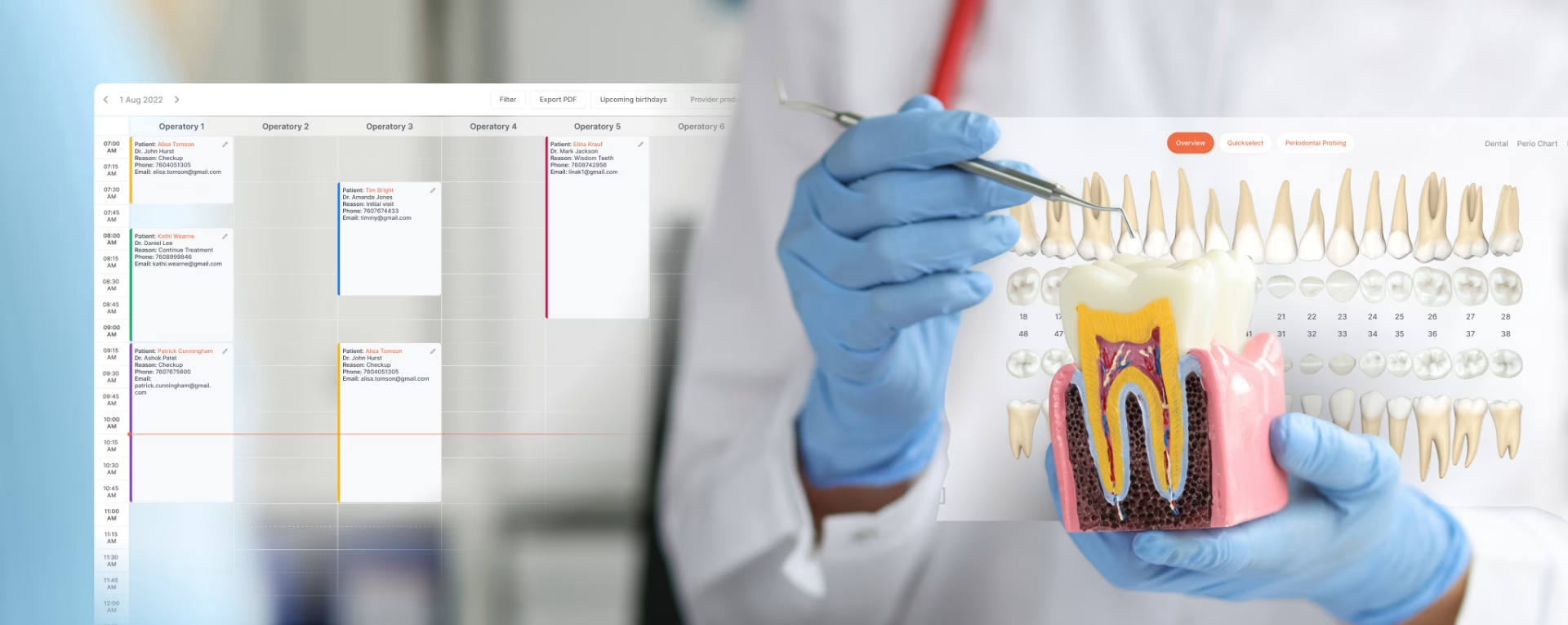
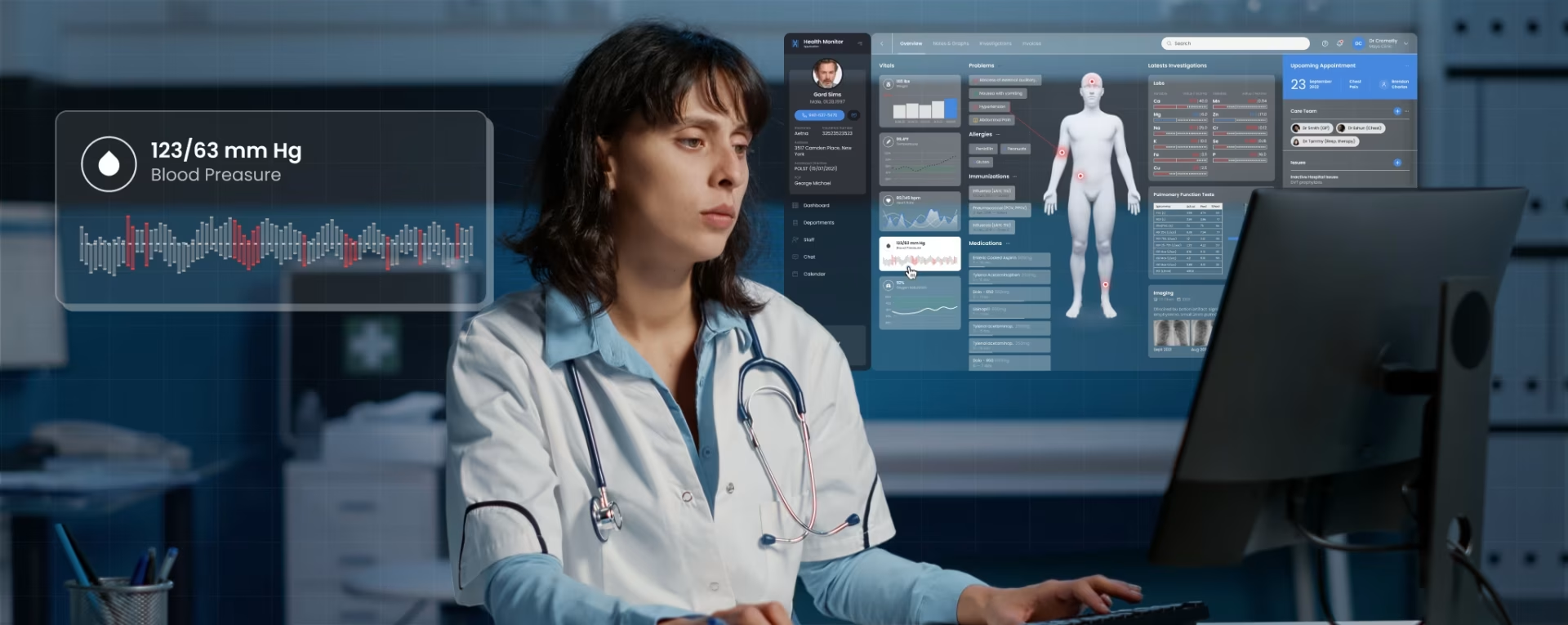
A large percentage of our daily work is now centered around healthcare applications and digital services, which gives us a great sense of purpose and drive to serve the medical community every day. HealthIT requires all our design experience as well as a genuine understanding or the needs of providers and patients alike.

UX work for the travel industry changes every day, as this industry is in a constant state of flux, which makes our work for this area challenging but also a lot of fun! It’s also an industry that is primarily concerned with their mobile experience and needs to provide a synonymous experience for desktop and mobile to stay competitive.

AI and ML design for AI services is kind of like drinking out of a fire hose. So much of this market is evolving and changing every day. It is a gold rush market where it can be quite daunting to keep up, and requires a team of experts that are willing to keep an open mind and are constantly reading and studying the advancements made in this space.

Product design for e-commerce and retail sales works requires that both sales channel hand-in-hand with little to no friction between the two. Take for instance the ability to make a product return to a brick and mortar store with a purchase you made online, it is simply just expected around the world, and if this isn’t honored customers will find a competitor that does offer these services.

Real estate may be apex of the e-commerce marketplace. As a digital product design agency, we have helped state and local real estate agencies grow through UX audit and intense customer research. Simply put, the typical real estate customer now expects an almost in-person UX shopping experience online, including 3-D video tours, real-time chat, and the ability to book in-person tours at a moment’s notice.
Required Services from Top UX
Research Agency's
Research involving every aspect of user experience is a foundational service at Fuselab, as it spells out in detail the pros and cons of an existing platform and helps map out in explicit detail the required design and development work needed to change the future product into something successful.
UX Audit
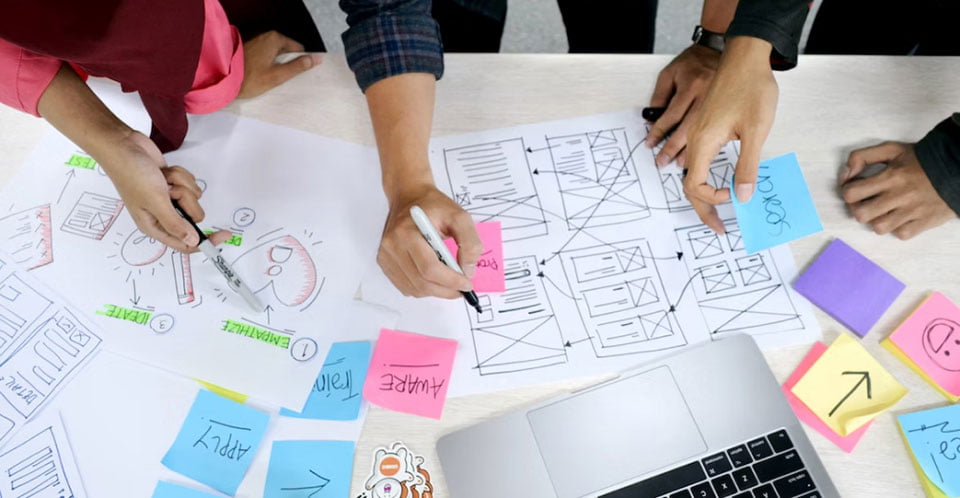
With a UX audit we conduct a comprehensive evaluation of an existing product or website that systematically identifies usability issues, design inconsistencies, and areas for improvement through expert analysis and established UX principles. Our process involves examining user flows, interface elements, content structure, and overall user experience to create a detailed report of findings with prioritized recommendations for enhancement.
UX User Testing
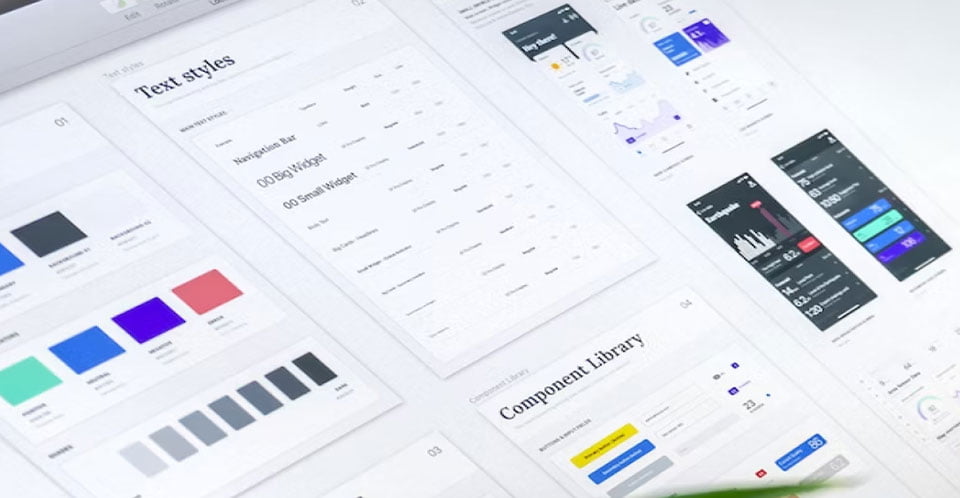
Our approach to user testing involves observing real users as they interact with a product or prototype to identify usability problems, understand user behavior, and validate design decisions through direct observation and feedback. This procedure can range from moderated in-person sessions to remote unmoderated tests, allowing designers to gather both quantitative data (task completion rates, time on task) and qualitative insights (user frustrations, mental models, preferences).

UX Competitive Analysis
UX competitive analysis can be super enlightening, when it comes to achieving business goals. This process systematically evaluates and compares the user experience of competing products to identify industry standards, best practices, and opportunities for differentiation in the marketplace. This process involves analyzing competitors' user interfaces, interaction patterns, feature sets, and overall user journeys to understand what works well and where gaps exist that could be exploited strategically.
UX Consulting
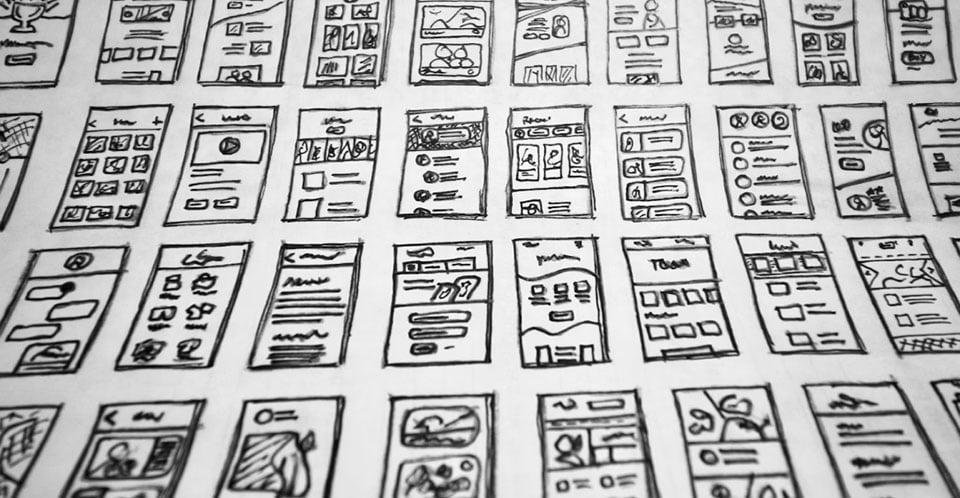
This is broad area involves providing expert guidance and strategic recommendations to organizations looking to improve their user experience capabilities, processes, or specific product outcomes through specialized knowledge and external perspective. We typically assess current practices, identify organizational gaps, and develop customized strategies for implementing user-centered design methodologies while training internal teams and establishing sustainable UX processes.

UX Interviews
UX interviews are structured conversations with users designed to gather deep qualitative insights about their needs, behaviors, motivations, and experiences through open-ended questions and active listening techniques. These sessions can explore user goals, pain points, mental models, and contextual factors that influence how people interact with products, providing rich narrative data that complements all our methods.

UX Heuristics
UX heuristics are established principles or rules of thumb used to evaluate user interface design and identify potential usability problems through in-person, if possible, review rather than user testing. The most widely used set, Nielsen's 10 usability heuristics, includes principles like visibility of system status, match between system and real world, and error prevention that provide a framework for systematic interface evaluation. Heuristic evaluation is a cost-effective method for identifying usability issues early in the design process.
Our Design Company Principals


User Experience Research Frequently Asked
Questions
What is it?
It’s the process of collecting and analyzing data about how users interact with products and services. The goal of is to understand user needs and pain points, so that products and services can be designed to be more user-friendly and effective. As a UX agency we follow a strict process of collecting and analyzing data about how users interact with products and services.
Why it's important?
By comprehending user needs and pain points, our processes play a crucial role in enhancing the user experience of products and services. It also aids in improving product usability, reducing expenses, and boosting customer satisfaction and customer retention.
How long does it take?
Typically, the timeline ranges from a few weeks to a couple of months. Key considerations that can influence duration include scope and depth, size and complexity of the product, and data collection and analysis.
What are some of the challenges?
The participation of users poses a significant challenge. Many individuals are busy and lack the time to engage in research studies. Another hurdle lies in obtaining accurate data. Users may not consistently provide honest or truthful responses when questioned about their experiences. Furthermore, interpreting the data can prove to be challenging.
What are the advantages?
By developing a comprehensive understanding of your users, you can make well-informed choices that result in enhanced user satisfaction, heightened engagement, and improved conversion rates. Early detection of usability problems through UX research mitigates the need for expensive design alterations further down the line. Moreover, this approach empowers you to set your product or service apart by delivering a delightful and seamless user experience, ultimately fostering customer loyalty and driving continuous improvements for your business.
What is the cost?
The price of UX research can differ based on various factors such as the project’s scope, the number of methods used, the required number of participants, and the expertise of the team.
What are the ethical factors?
Ethical considerations play a vital role in UX Research. These include obtaining informed consent, safeguarding privacy and confidentiality, maintaining transparency regarding data usage, encouraging voluntary participation, preventing harm, fostering diversity and inclusion, and ensuring accountability for accurate reporting.
Ready to have a conversation?
Contact our UX Design team
by filling out the form below!
Read Our Blogs
UX Research is the Foundation for all UX/UI Design